

Large debt changes the bankruptcy decision in Alabama.
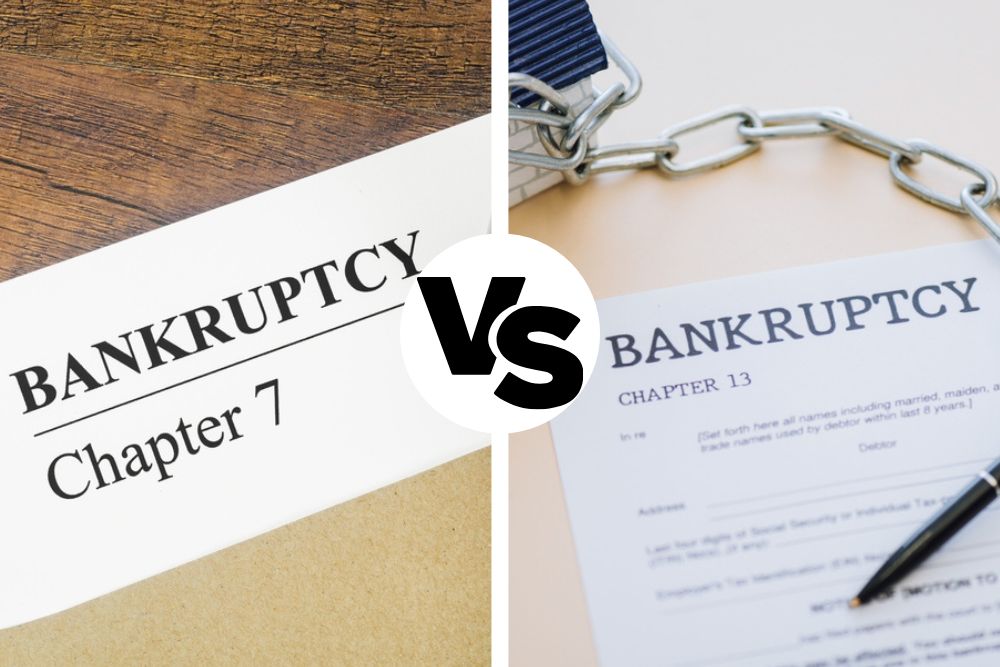
A person with credit card balances, medical bills, mortgage arrears, car debt, tax debt, lawsuits, or business-related obligations cannot choose Chapter 7 or Chapter 13 based on speed alone. In Alabama, the better filing depends on income, asset value, exemption limits, secured debt, and the risk of losing property. Get legal review of strategic considerations with a bankruptcy lawyer in Mobile before choosing a chapter.
Strategic Consideration One: Asset Exposure Under Alabama Exemption Law
Asset protection is often the first issue in a high-debt bankruptcy case. Chapter 7 is a liquidation bankruptcy, meaning a trustee may sell nonexempt property and use the proceeds for creditors. The U.S. Courts describe Chapter 7 as a process involving liquidation of nonexempt assets, although many individual debtors keep their property when exemptions cover the value.
Alabama exemption law matters because it decides what equity is protected. The U.S. Bankruptcy Court for the Southern District of Alabama lists the current Alabama homestead exemption at $18,800 and the personal property exemption at $9,400, effective April 1, 2024. A 2026 Alabama update also triples the homestead exemption for people age 62 and older or people determined to be disabled, while leaving the standard exemption unchanged.
For someone with substantial home equity, vehicles, equipment, jewelry, receivables, or small business assets, Chapter 7 may carry risk. A bankruptcy attorney in South Alabama can compare the asset value against available exemptions and determine whether Chapter 13 gives better protection.
Strategic Consideration Two: Income and Means Test Pressure
Chapter 7 is not available to every person with debt. The means test determines whether a consumer debtor can receive Chapter 7 relief. The U.S. Trustee Program explains that if disposable income exceeds certain thresholds, the U.S. Trustee, creditors, or another party may seek dismissal of the Chapter 7 case.
This is where many high-debt individuals make a mistake. High debt does not automatically mean Chapter 7 eligibility. A person may have overwhelming balances but still earn enough income to face a means test issue. If the debtor cannot safely proceed under Chapter 7, Chapter 13 may become the proper filing because it uses income to fund a repayment plan.
Income review should include wages, bonuses, business income, household contributions, secured debt payments, taxes, insurance, dependents, and allowed living expenses. The best Alabama bankruptcy attorney can determine whether income supports Chapter 7 relief or whether Chapter 13 offers a more defensible path.
Strategic Consideration Three: Type of Debt and Legal Treatment
Not all debt is treated the same. Unsecured debts, secured debts, and priority debts require different planning. Chapter 7 may work well for eligible unsecured debt such as credit cards, medical bills, and personal loans. Chapter 7 is designed to discharge many unsecured debts, including credit card balances, medical bills, and personal loans.
Secured debt is different. A mortgage or car loan is tied to collateral. Chapter 7 may discharge personal liability, but it does not automatically let a debtor keep collateral without addressing secured creditor rights. Priority debts, such as many tax debts or domestic support obligations, may also survive bankruptcy or require special treatment.
This is why bankruptcy planning must go beyond “how much debt do I have?” The better question is: which debts will be discharged, which must be paid, which are secured, and which assets are tied to those debts?
Strategic Consideration Four: Foreclosure and Repossession Risk
If the immediate problem is foreclosure, repossession, garnishment, lawsuits, or creditor harassment, both Chapter 7 and Chapter 13 can trigger the automatic stay. The automatic stay under bankruptcy law generally stops many collection efforts after a bankruptcy case is filed.
The difference is what happens next. Chapter 7 may stop the pressure temporarily, but it usually does not create a long-term cure plan for mortgage arrears. Chapter 13 can allow a debtor with regular income to repay missed mortgage payments over time while maintaining current payments.
For someone trying to keep a home or vehicle, Chapter 13 may provide stronger control. It is a way to reorganize debt and protect assets.
Strategic Consideration Five: Speed of Relief Versus Long-Term Control
Chapter 7 is usually faster. It may be the better option for someone with limited assets, qualifying income, and mostly unsecured debt. The main benefit is a quicker discharge without years of plan payments.
Chapter 13 is slower but can provide more control. The U.S. Courts describe Chapter 13 as a wage earner’s plan that allows individuals with regular income to repay all or part of their debts over three to five years. For people with income, assets, or arrears, that time can be useful because it turns creditor chaos into a structured legal plan.
High-debt individuals should not treat speed as the only goal. A fast Chapter 7 filing can be costly if it exposes property, fails to solve secured debt problems, or creates trustee scrutiny. A slower Chapter 13 plan may be better if it protects the home, vehicle, or business income needed for recovery.
Strategic Consideration Six: Risk of Losing Property in Chapter 7
Chapter 7 can be powerful, but it is not risk-free. The trustee reviews assets, exemptions, transfers, claims, lawsuits, expected tax refunds, and property values. If property is not fully exempt, the trustee may seek to sell it.
This is a serious issue for high-debt individuals who own real estate, inherited property, paid-off vehicles, business interests, tools, valuable collections, or claims against others. Even a pending personal injury claim, insurance claim, or receivable may need to be disclosed and valued.
A South AL bankruptcy attorney will review asset exposure before the case is filed, not after the trustee asks questions. If Chapter 7 creates liquidation risk, Chapter 13 may allow the debtor to keep property while paying creditors through the plan.
Bankruptcy Lawyer in South AL Creates Strong Legal Solutions for Complex Debt Cases
Choosing between Chapter 7 and Chapter 13 can decide whether you keep your property or lose it. Hollinger Connor, LLC helps clients across South Alabama build a filing strategy that protects assets and controls debt. A bankruptcy attorney in Mobile, AL can review your income, property, and exposure before you file. Contact us today to take control of your financial future with a plan that works.
Recent Posts
- Bankruptcy and Lawsuits: What Happens When Creditors Have Already Taken You to Court?
- When Bankruptcy Doesn’t Eliminate the Problem: Understanding Tax Debt, Student Loans, and Other Complex Obligations
- The Financial Aftermath of a Natural Disaster: Can Bankruptcy Help Alabama Families Recover?
- Avoiding Dismissal or Conversion in Alabama Bankruptcy Cases: Common Pitfalls and Litigation Strategies
- Bankruptcy in Alabama: Hardship and Emerging Legal Trends