

Can one filing stop a foreclosure track and a wage garnishment at the same time?
In many cases, yes. Federal bankruptcy law can impose an automatic stay the moment a case is filed, which can pause most collection activity while the court process plays out. For people weighing that move, a bankruptcy attorney in Mobile, AL can quickly confirm whether the stay will apply in your situation and which chapter fits your deadline. The difference between relief and regret is usually not effort. It is filing the right chapter before the real cutoff.
The legal pause is only step one. The next step is choosing Chapter 13 or Chapter 7 based on the facts that actually control the outcome.
What Does It Mean To Stop Foreclosure And Wage Garnishment In 2026?
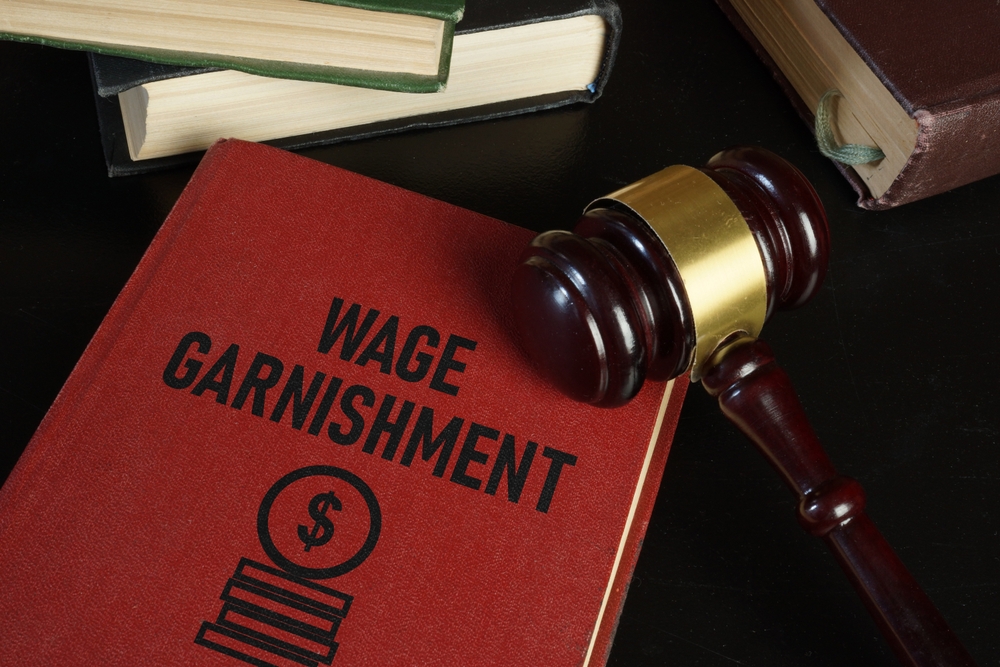
Stopping foreclosure means pausing the legal steps that lead to a sale of the property. Stopping wage garnishment means halting the court-ordered withholding from wages for a judgment debt. Bankruptcy can address both because the automatic stay under 11 U.S.C. § 362 generally stops most collection actions against the debtor once the case is filed.
Why Do Foreclosure Deadlines Move Quickly In Alabama?
Alabama foreclosure sales often proceed under a power of sale with specific notice rules. Alabama Code § 35-10-13 requires notice by publication once a week for three successive weeks in a newspaper in the county where the land is located, and the notice must include the time, place, and terms of sale plus a property description. Once publication begins, the schedule may feel fast because the sale date is closer than most households expect.
This is why bankruptcy planning is often timeline-driven. Waiting until the last moment can reduce choices, especially if documents are missing or if a prior filing affects how the stay applies. A bankruptcy attorney in South AL can identify the real deadline and build a filing plan that matches it.
When Is It Too Late To Stop A Foreclosure Sale?
The key rule is simple. The bankruptcy filing must happen before the foreclosure sale is completed under state law. In Chapter 13, the automatic stay stops the foreclosure as soon as the petition is filed but the debtor may still lose the home if the foreclosure sale is completed before the petition is filed.
If you are behind and the lender has already started notice steps under Alabama law, do not assume you have “weeks.” A bankruptcy attorney can confirm whether a Chapter 13 filing can still stop the process and whether the arrears can realistically be cured through a plan.
Who Is The Best Fit For Chapter 13 When A Home Is On The Line?
Chapter 13 is usually a good option when you want to keep the home and you have steady income. It can stop a foreclosure once the case is filed and give you time to catch up on past-due mortgage payments through a court-approved plan.
It tends to work best when three things are true. You can afford the regular monthly mortgage payment going forward. You can afford an additional monthly amount to pay the arrears over time. And your budget has enough room after basic living expenses to make the plan payment consistently. If those numbers do not work, Chapter 7 or a different strategy may be the better match.
How Does Chapter 13 Stop Wage Garnishment And Create Breathing Room?
Once the Chapter 13 case is filed, the automatic stay generally stops collection activity covered by § 362, which can include wage garnishments tied to many consumer judgments. Instead of losing part of each paycheck to a judgment creditor, the debtor proposes a court-supervised repayment plan that governs how creditors are paid. That structure matters because it can stabilize take-home pay and make it easier to keep up with mortgage payments, utilities, and insurance.
Debt consolidation can lower interest or combine payments, but it usually does not stop a wage garnishment or pause a foreclosure schedule once legal enforcement has started. Bankruptcy can stop many collection actions right away through the automatic stay because it limits what creditors can do while the case is pending.
Who Should Consider Chapter 7 And What Debts Are Often Discharged?
Chapter 7 is often a good fit when unsecured debt is the main issue and you qualify to file. It can erase many unsecured debts such as credit cards, medical bills, and personal loans. It also triggers the automatic stay, which can stop many collection actions while the case is pending, including many wage garnishments.
The key issue is the home. Chapter 7 can pause foreclosure for a short time, but it does not give you a repayment plan to catch up on past-due mortgage payments. If saving the home depends on curing arrears over time, Chapter 13 is often the better tool. A bankruptcy attorney in South AL can review the timeline, the arrears amount, and your monthly budget to confirm which chapter fits your goal.
How To Stop Foreclosure And Garnishment Now?
Foreclosure notice rules under Alabama law and wage garnishment limits under federal and Alabama materials make timing decisive, so early action protects more options. Hollinger Connor, LLC helps South Alabama individuals, families, and small businesses use Chapter 7 and Chapter 13 to stop foreclosure and wage garnishment when the law allows and to put debts into a court-supervised structure that matches the budget.
If you need bankruptcy lawyers to review your timeline, call (251) 432-8878 or use this page and contact us today to get a clear plan before the next sale date or the next paycheck reduction
Recent Posts
- Stopping Foreclosure and Wage Garnishment in 2026
- Chapter 7 and Chapter 13 Bankruptcy in Alabama: Which Option Is Right for Your Financial Situation?
- Chapter 7 Bankruptcy in Alabama: What You Should Know
- Understanding Bankruptcy Exemptions: What Property Can You Keep?
- Life After Bankruptcy in Alabama: Rebuilding Credit and Moving Forward